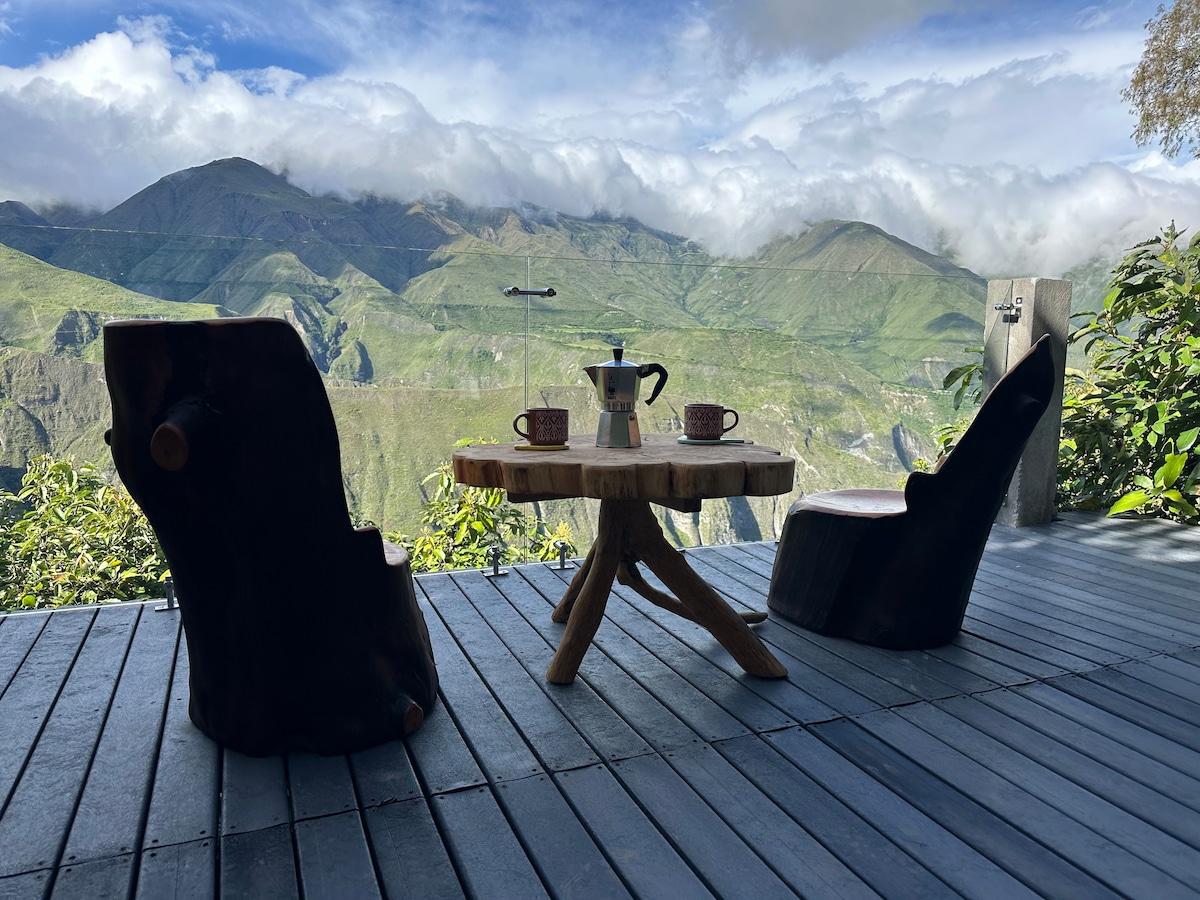
The Coffee: High-Altitude Specialty Coffee from Cahuasquí
Cahuasquí · Imbabura · Ecuador
An island in the sky, built by hand.
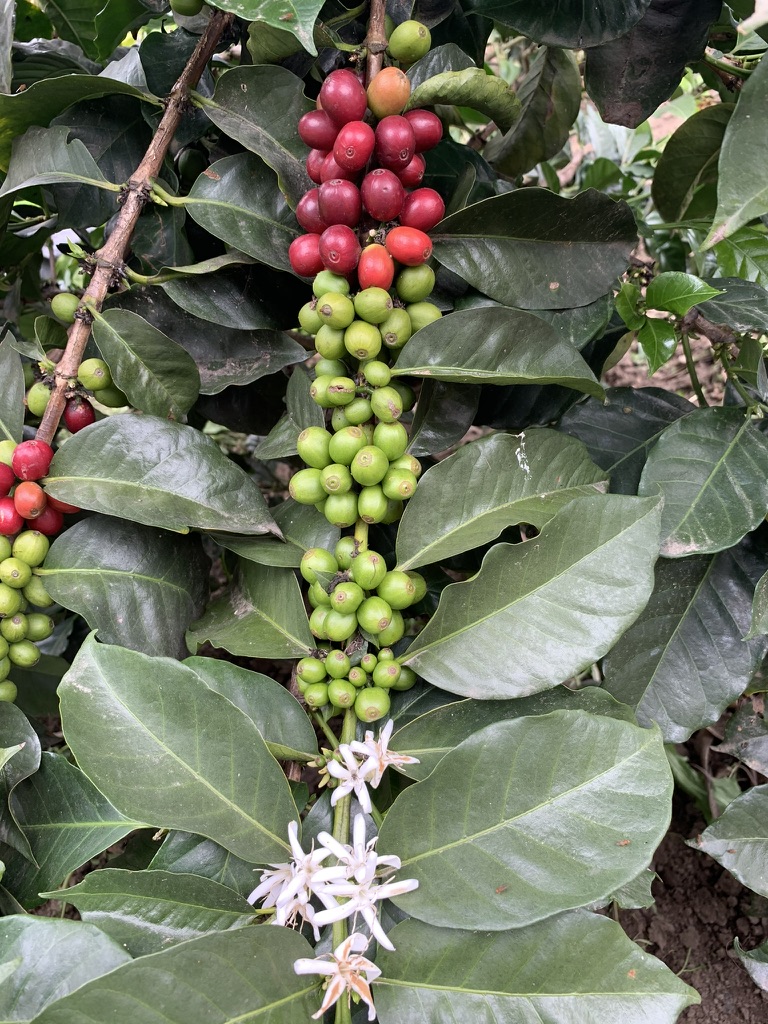
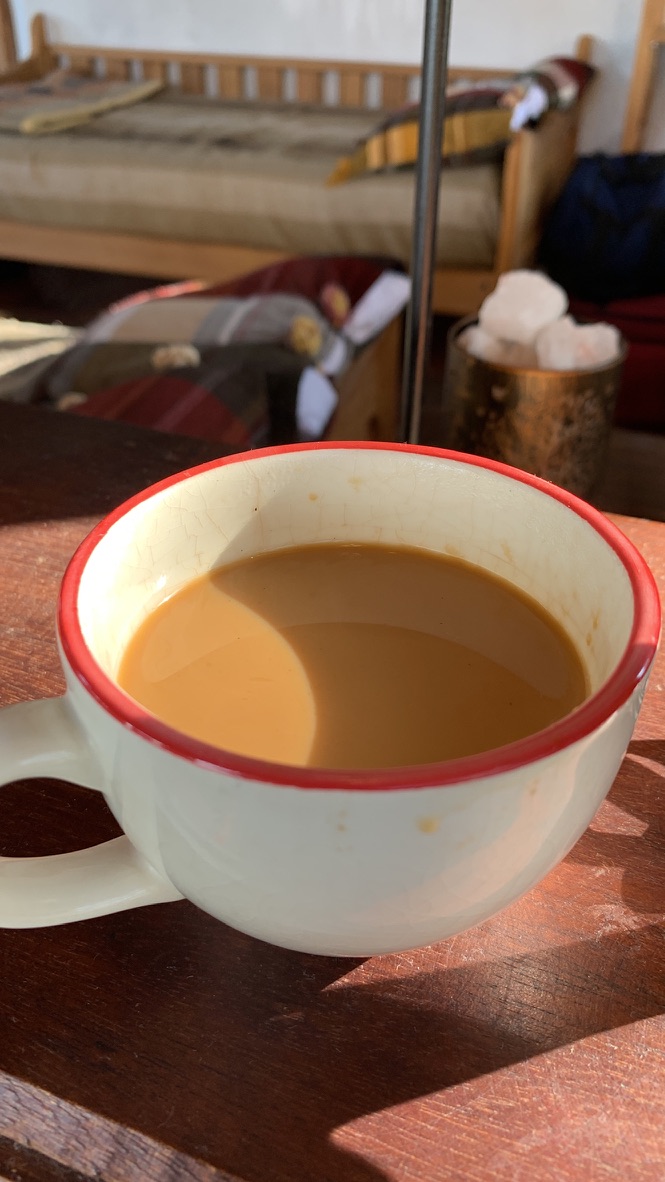
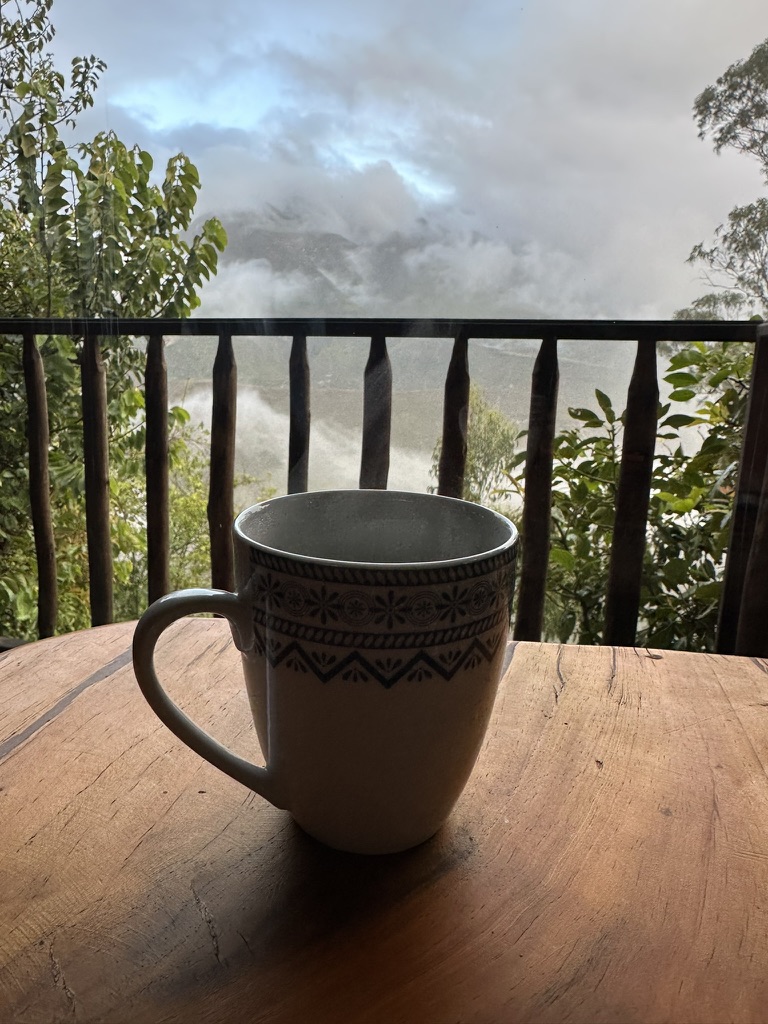
Tourism in a cup.
93 points at 7,700 feet.For generations Cahuasquí grew beans, corn and potatoes, and later added asparagus, avocados and citrus. Coffee was never part of the story, because at 7,700 feet nobody had tried it.
That changed in 2012, when the first coffee plants were planted in the community. High-altitude coffee is one of the most sought-after categories in the specialty world: the cold slows the cherry and concentrates its sugars and acids into something extraordinary.
In 2015, I brought back fifty pounds of green coffee from Cahuasquí to Napa Valley, and it was roasted professionally and entered into a single-origin espresso competition. It scored 93 points and tied for the highest score in the competition, judged by a panel that included the well-known critic Kenneth Davids.
Coffee takes three years from planting to first harvest, and building drying and processing from nothing asks a lot of small farming families. Many chose to wait. But the potential has never been in question since those 93 points came back from Napa.
By 2026 more growers have started planting in Cahuasquí, and the farm at Retreats Cahuasquí is one of them. In 2025 we planted 450 coffee trees, and another 650 go in the ground by the end of 2026. The goal is for this village to be known for specialty coffee the way certain parts of Colombia, Ethiopia and Guatemala are known, as a destination rather than a commodity.
When you visit, you drink from the beginning of that story. You can pick cherries by hand, learn to judge ripeness by color and touch, and roast a small batch over an open flame. The coffee in your cup is the same coffee that scored 93 points in Napa Valley before most people had heard of Cahuasquí.
- 93
- Tasting score
- 641
- Plants new and old in 2025
- 1,091
- Coffee plants in 2026
Press · Coffee Review